Draining, pouring in coolant – Antifreeze protection table
WIS 20-0100
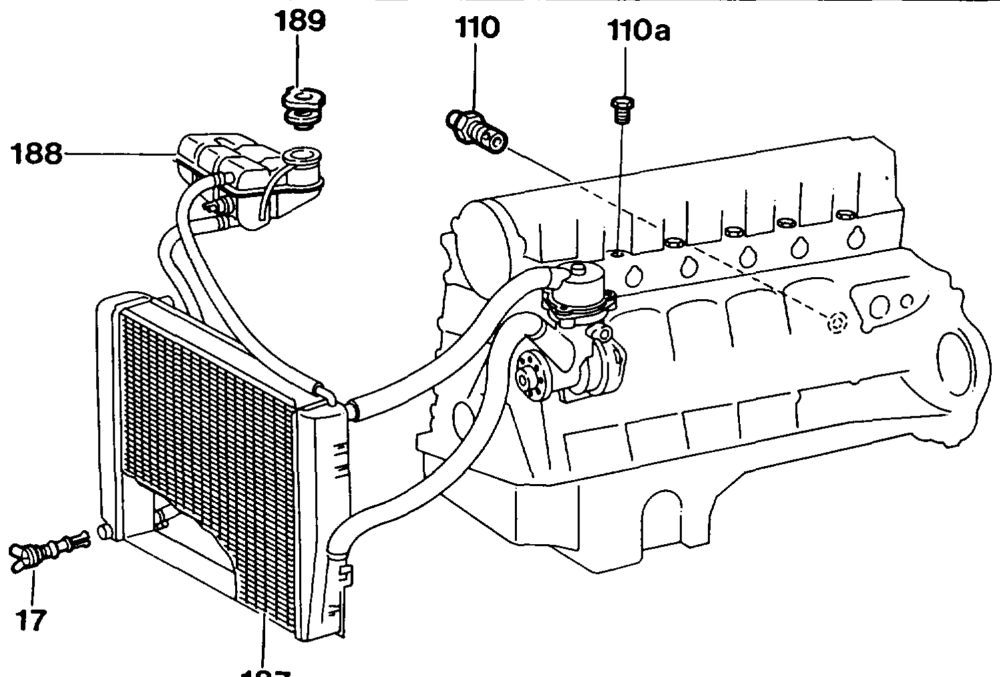
Preceding work: Operation no. of operation texts and work units or standard texts Warning instructions when hood open (01-0085). and flat rates Bottom engine compartment panel removed (Maintenance 20-1142 – 20-1151 Manual 2, Op. no. 6190).
187 P20-5019–55,
Do not open cap unless coolant temperature is below 90 °C.
Pressure cap (189) …………….-20005 take off, fit on (step 1). Drain plug (17) 2… 2. ee eee eee fit on hose, open and close. 6 – 10 and 1.5 — 2 Nm. Drain coolant from radiator (187) (steps 2, 4). Drain plug (110) ……..-.2—.2–0-0000fit on hose, open and close, 30 Nm. Drain coolant from crankcase (steps 3, 4). Coolant 1… ee ee eee eee pour in until it flows out at front screw plug (110a), screw in front plug and pour in up to marking on expansion tank (188) and bleed (steps 5 ~ 7). Engine 2… 0… cee ee ee eee run until coolant thermostat opens (step 7). Coolant level 0.0022 check (step 7). Cooling system… 2. eee check for signs of leaks (20-0170).
emits RA 20 1133-0100/1
Total capacities of cooling system with heater and mixing ratio of anticorrosion/antifreeze
agent’) and water’) in liters
| Model | Total capacities of cooling system with heater | Mixing ratio of anticorrosion/antifreeze agent and water for antifreeze protection down to -37 °C | 45 °C | |
| 107/126 | 8.00 | 4.00/4.00 | 4.40/3.60 | |
| 124/201 | 9.00 9.50°) | 4.50/4.50 4.75/4.75 | 4.95/4.05 §.26/4.25 | |
| 129 | 11.50 | §.75/5.75 | 6.3/5.2 | |
| 1) Refer to Service Product Specifications Sheet 325.1 and 325.2 2) Refer to Service Product Specificatons Sheet 310 3) With air conditioning/automatic climate contro! Tightening torques in Nm | ||||
| Radiator drain plug, model 107 (heavy metal radiator) | 6–10 | |||
| Crankcase drain plug | 30 | |||
| Radiator drain plug, model 107 (light alloy radiator) 124, 126, 129, 201 | 1.5 – 2′) | |||
| 1) This torque can be applied with a washer or a coin. Commercial tool | ||||
| Antifreeze tester Prestone-VV-Check (Union Carbide) | Ph. Gather D-40822 Mettmann 2 | |||
Notes
Composition of coolant
50 % by vol. water (Service Product Specifications Sheet 310) 50 % by vol. anticorrosion/antifreeze agent (Service Product Specifications Sheet 310, 325.1 and 325.2).
«mmge = RA 20. 1133-0100/2
Water Use water which is clean and not too hard. These requirements are frequently, but not always, met by drinking water. The content of dissolved substances in the water may be the cause for the occurrence of corrosion. If in doubt, have the water analyzed.
Anticorrosion/antifreeze agent
The anticorrosion/antifreeze agent performs the following tasks:
@ Provide adequate anticorrosion and
Cavitation protection for all components Provide antifreeze protection Increase the boiling point
Approximately 50 % by vol. anticorrosion/ antifreeze agent must be added to the water. This concentration offers antifreeze protection down to approximately -37 °C. A higher concentration is not recommended even if ambient temperatures are lower.
More than 55 % by vol. anticorrosion/antifreeze agent reduces the antifreeze protection and impairs heat dissipation.
55 % by vol. anticorrosion/antifreeze agent offers antifreeze protection down to approx. 45 °C.
Anticorrosion/antifreeze agent increases the boiling point which is why the coolant does not evaporate so rapidly. The ejection of coolant is avoided at high coolant temperatures.
Use only approved anticorrosion/antifreeze agents (refer to Service Product Specifications Sheet 325.1 and 325.2).
«mine =RA 20 1133-0100/3
Operational monitoring of coolant Before the commencement of the cold season of the year, check the antifreeze protection of the coolant. In countries with high ambient temperatures, check anticorroston/antifreeze agent concentration once annually.
When topping up (after loss of coolant) it must be assured that there is a 50 % by vol. portion of anticorrosion/antifreeze agent in the coolant to provide antifreeze protection down to -37 °C.
The corrosion protection in the coolant decreases during engine operation. Such coolants have an extremely corrosive effect. The maximum permissible life of the specified coolant in a car engine is 3 years. Before adding new coolant, flush the used coolant out of the cooling system.
Disposing of coolants
Pay attention to statutory regulations or local waste water requirements regarding disposal of coolant agents.
Draining, pouring in
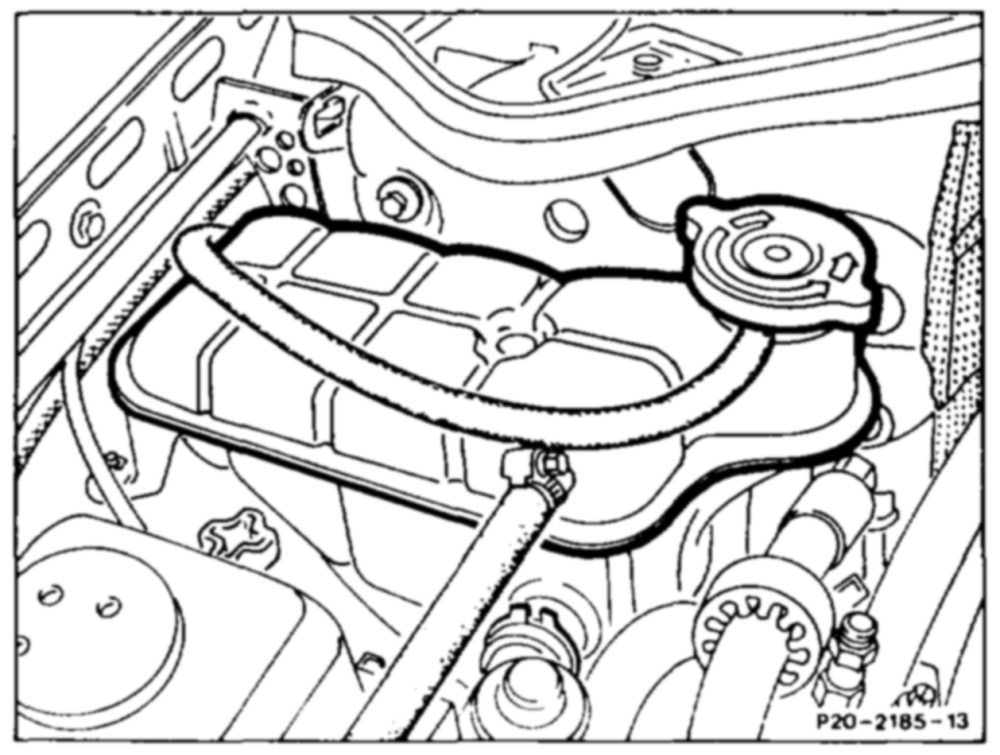
Open pressure cap only if coolant temperature is below 90 °C.
1 To open expansion tank: first of all turn only as far as 1st detent to release system pressure, then turn on to 2nd detent and remove cap.
quite RA 20 1133-0100/4
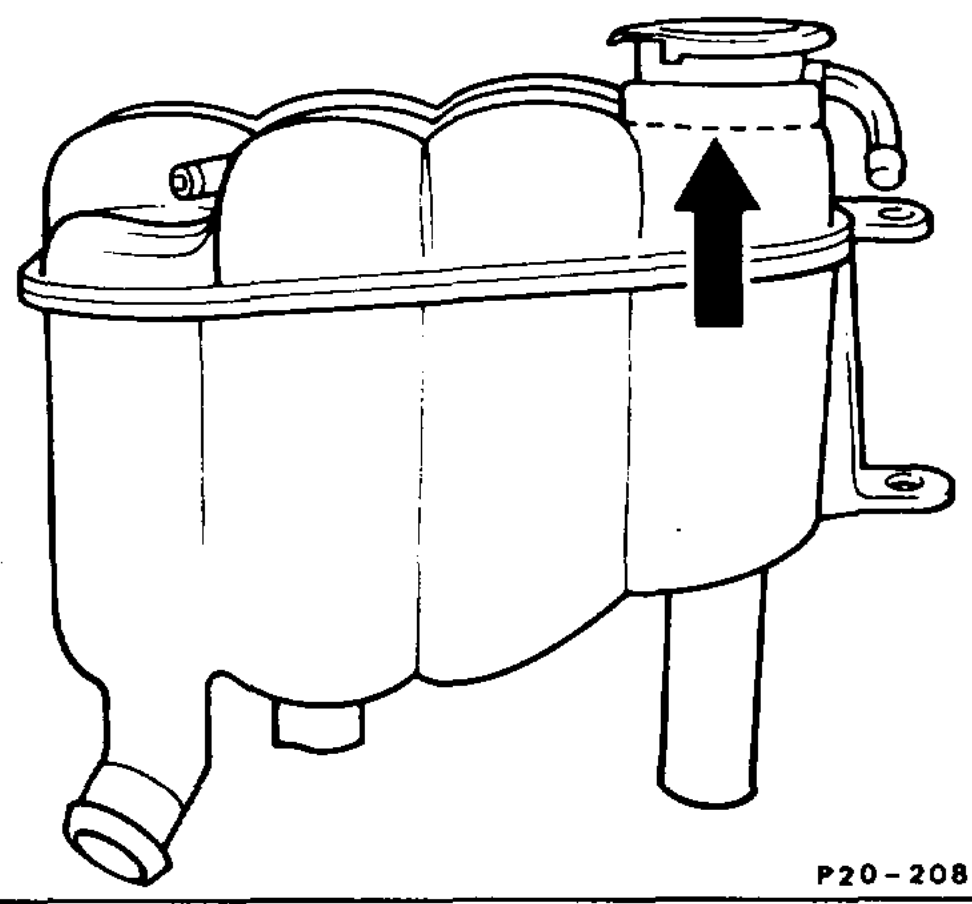
Model 129
A modified coolant expansion tank with improved ventilation has been installed on Model 129 since 08/89 with effect from Vehicle Ident End No. 001 950.
The previous expansion tank on cars manufactured prior to this date should be renewed if complaints are received (gurgling noises in heat exchanger). Part No. 129 500 03 49.
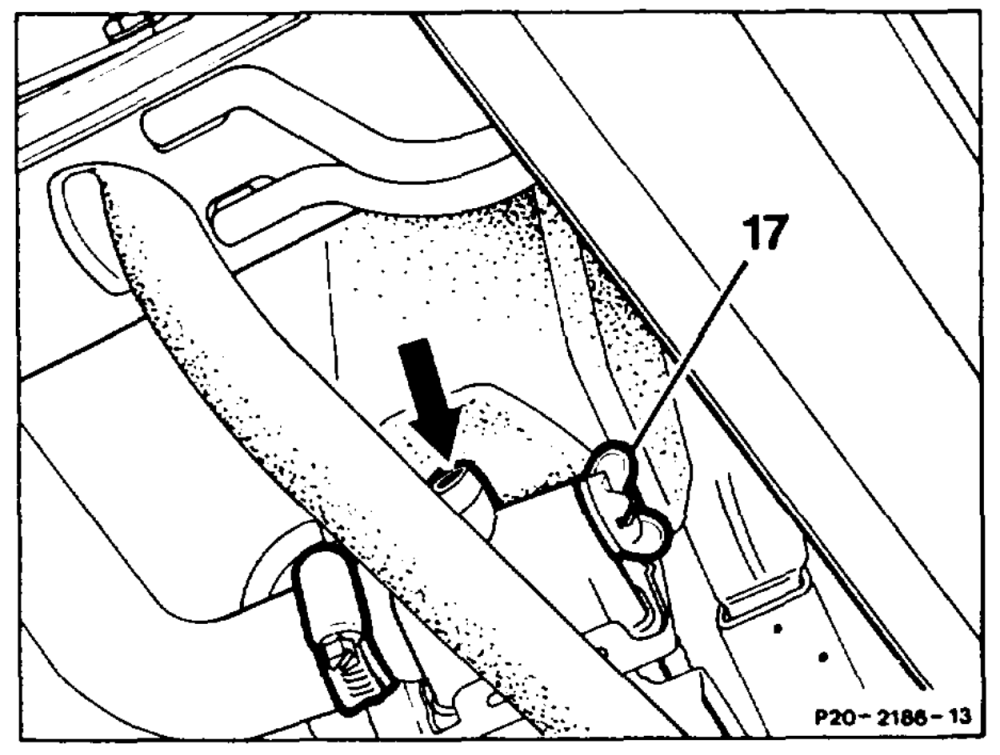
2 Drain coolant at radiator by connecting a hose (inner diameter 12 mm) to the connection (arrow) and unscrewing drain plug (17). Drain coolant (approx. 4 1).
Note On Models 126 and 201 open the cap in the front bumper and slacken the drain plug (17).
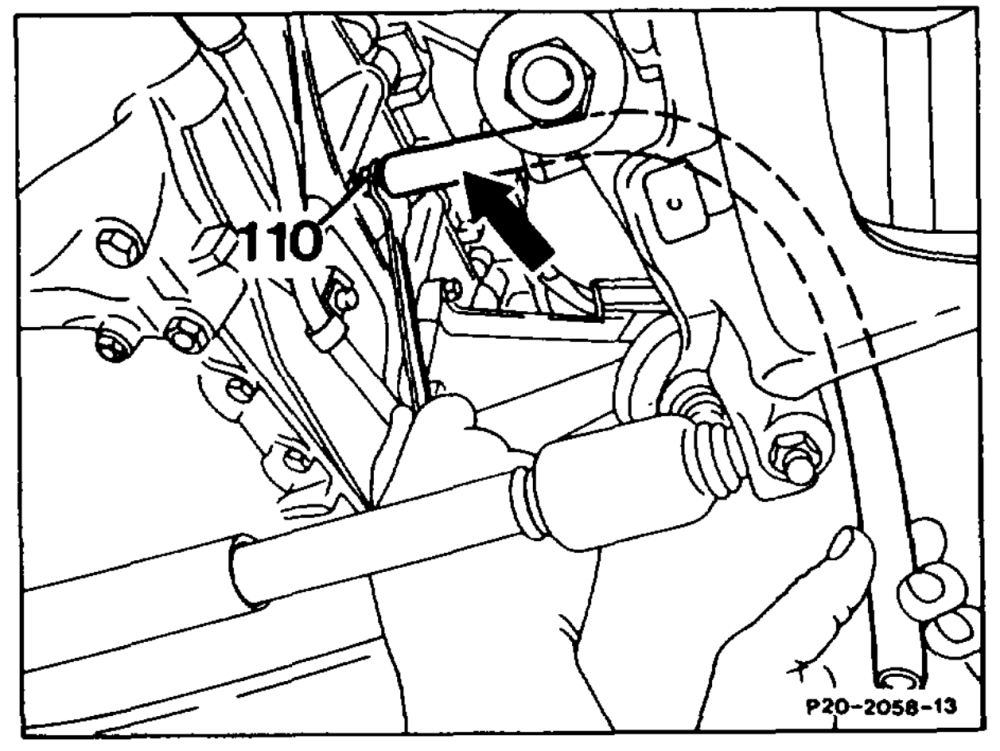
3 Drain coolant at crankcase by connecting a hose (arrow) (inner diameter 14 mm) to the drain plug (110) and slackening the plug. Drain coolant (approx. 4 1).
4 Tighten drain plugs for radiator and crankcase. Pay attention to tightening torques.
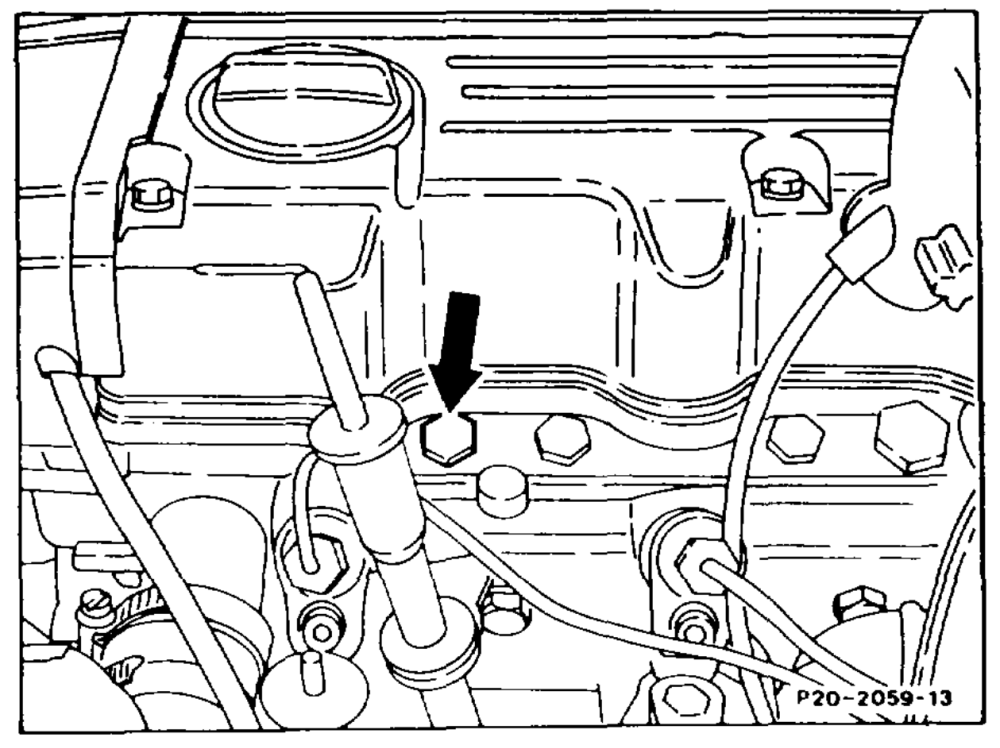
5 Pour in coolant. Unscrew front plug (arrow) from the measuring sensor strip. Pour in coolant until it flows out at the tapped hole. Screw in plug and pour in remaining coolant.
amine §=RA 20 1133.0100/5
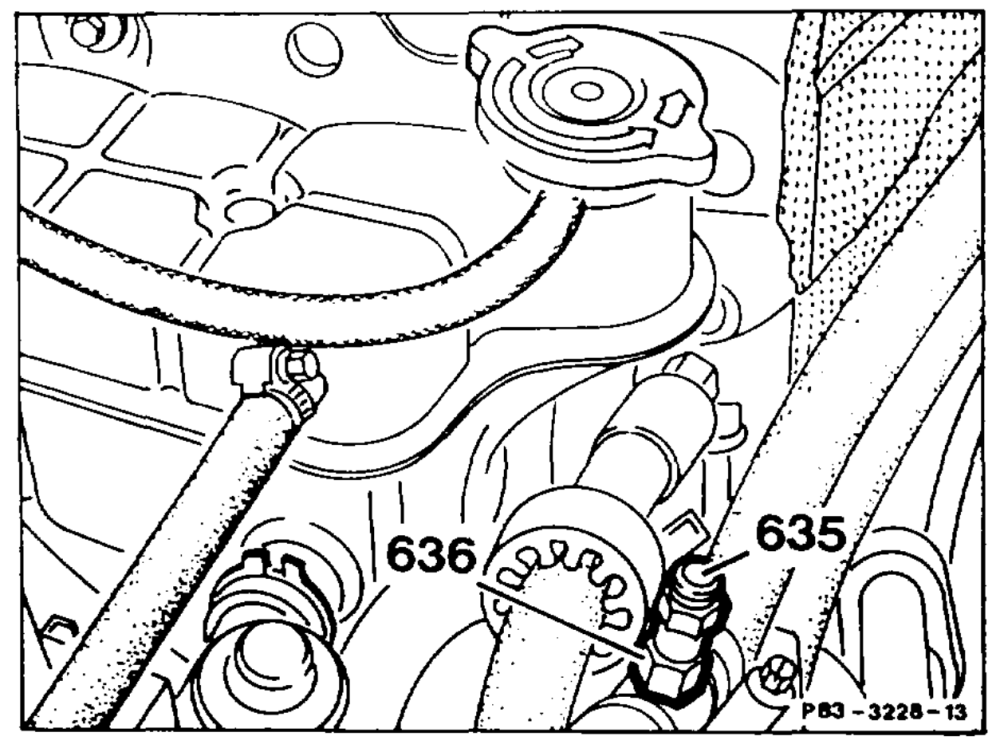
6 It car fitted with auxilary heater: Take off cap (635), unscrew bleeder screw (636) slightly until no more air flows out.
Note Repeat bleeding operation several times.
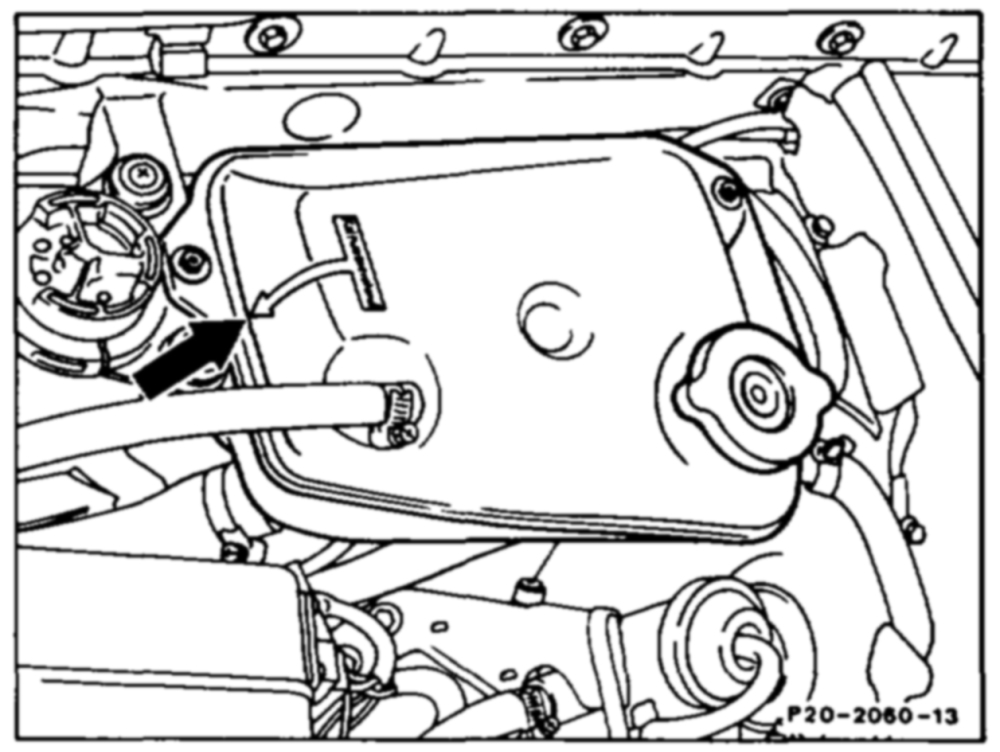
7 Switch on heater and warm up engine until the thermostat opens. Following this, top up coolant to the marking (arrow) on the expansion tank.
Model 129
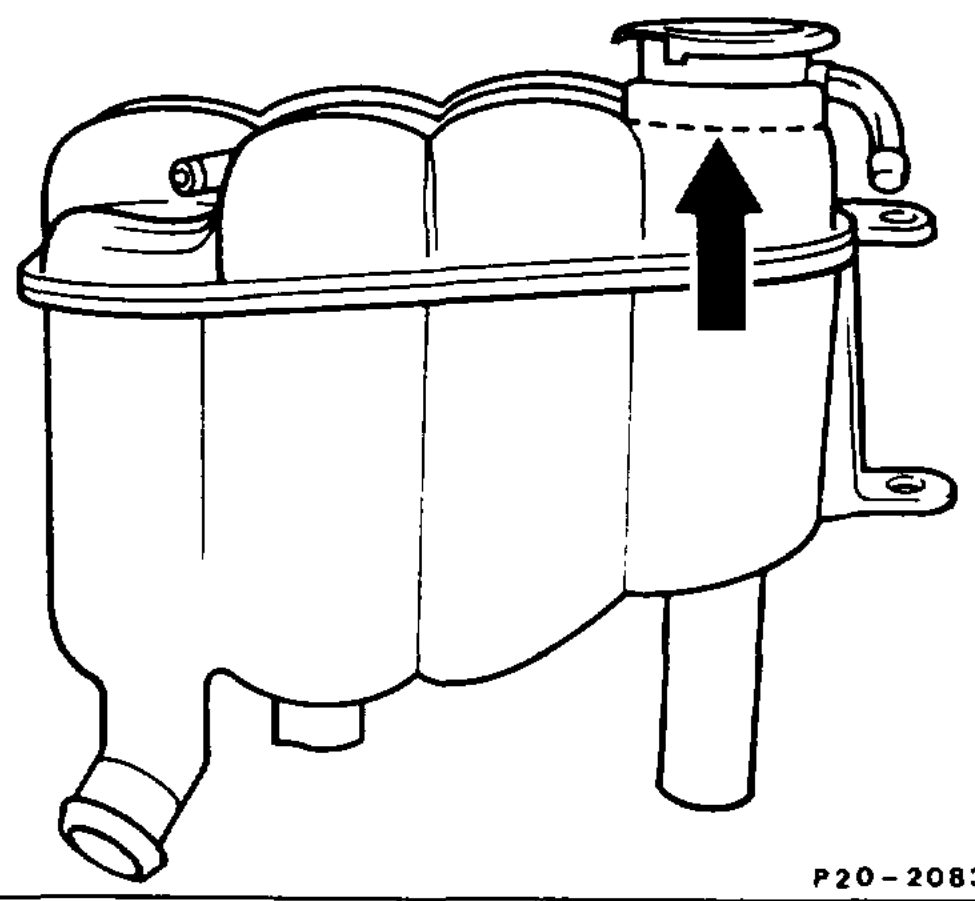
The coolant should be filled into the expansion tank up to the brim (arrow).
Note Close filler connection on expansion tank as soon as coolant temperature has reached approx. 60 – 70 °C.
8 Test cooling system for leaks (20-0170).
wus =A 20 1133-0100/6