Checking cylinders for leaks
WIS 01-015
Data
| pressure loss | max. |
| valves and cylinder head gasket | max. |
| pistons and piston rings | max. |
Special tools
Socket 27 mm, 1/2″ square for rotating for engine – 001 589 65 09 00
Square drive socket 1/2’’, 80 mm long for rotating engine – 617 589 00 16 00
Conventional tool
e.g. made by Bosch, EFAW 210 A Cylinder leak tester and SUN, CLT 228–1
Checking
1 Run engine up to operating temperature.
2 Remove air filter.
3 Set throttle valve to full opening.
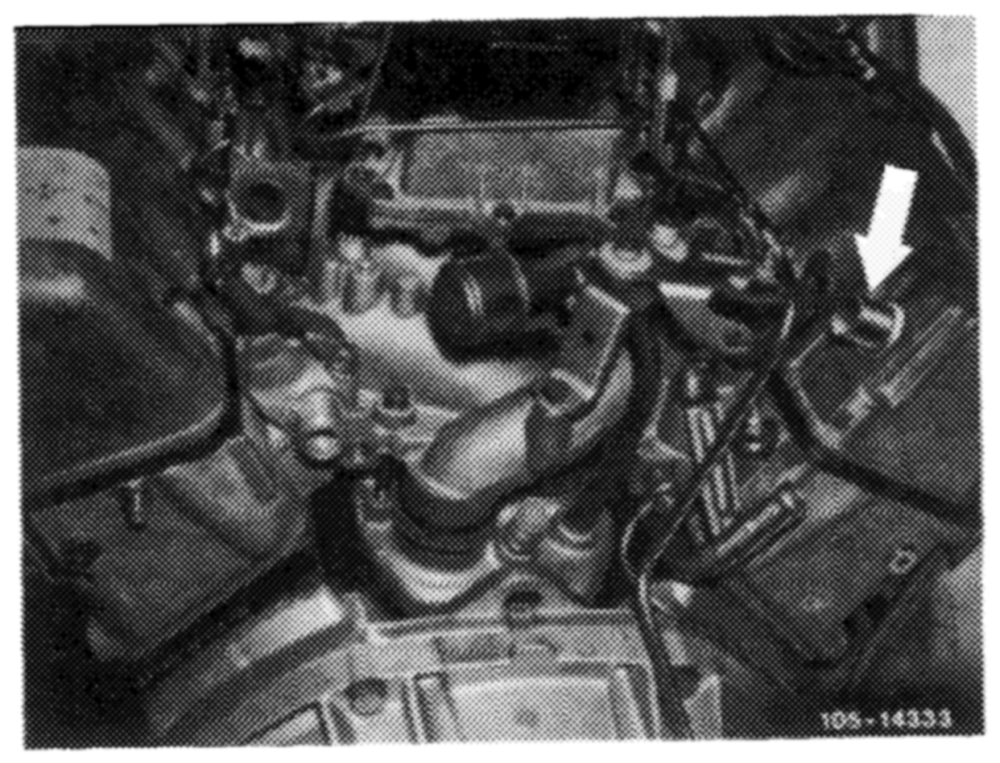
4 Unscrew spark plugs.
5 Pull off venting valve at valve cover (arrow).
6 Top up coolant and leave lock open.
7 Connect cylinder leak tester with hose to a compressed air system.
Calibrate tester.
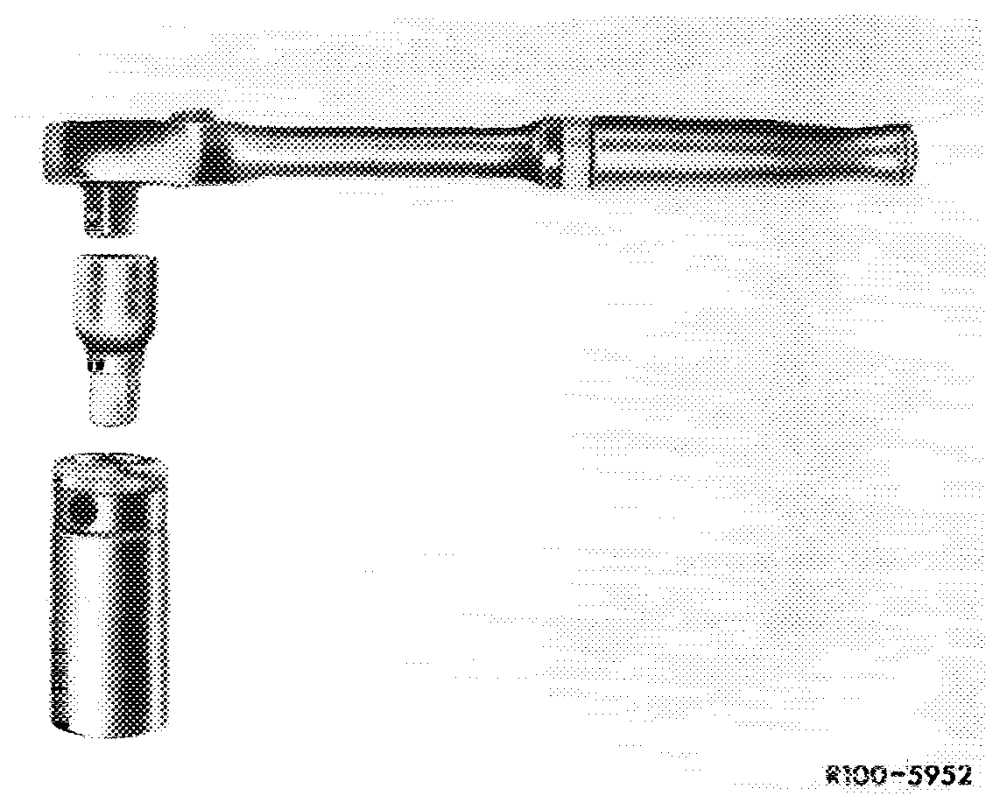
8 Set piston of cylinder to be tested to ignition TDC. For this purpose, rotate engine with tool combination at crankshaft.
For rotating engine on model 107, unscrew radiator shell element and fan.
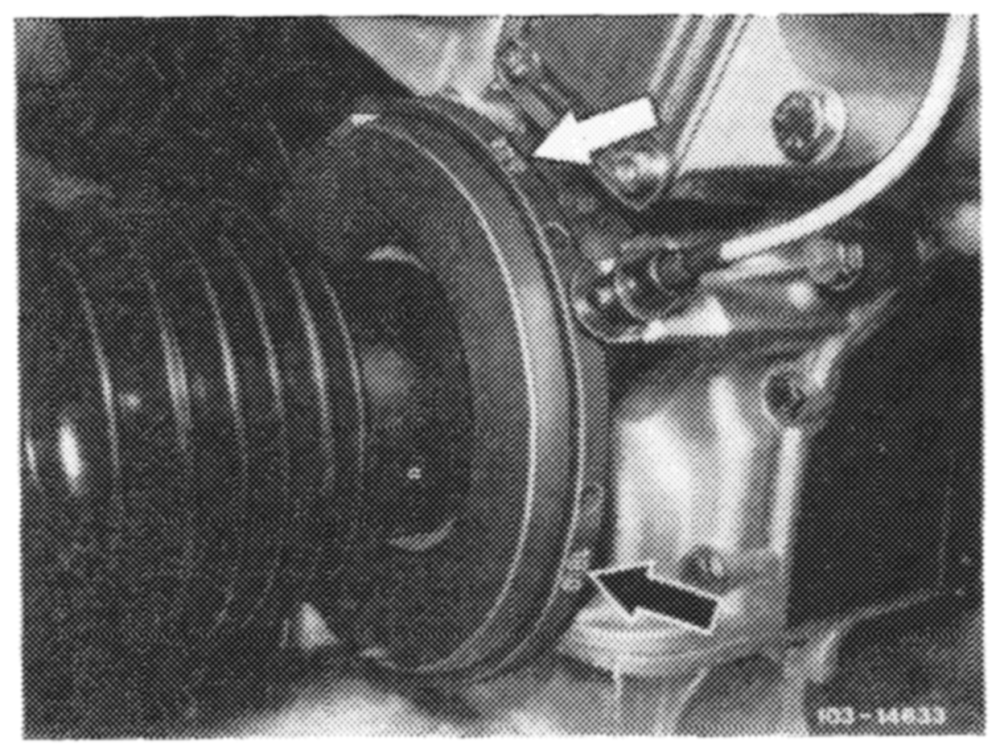
Note: Marking numbers 0, 90, 180 and 270 (arrows) are punched into vibration damper.
The pistons named below are at TDC in the following positions of the marking in relation to indicator:
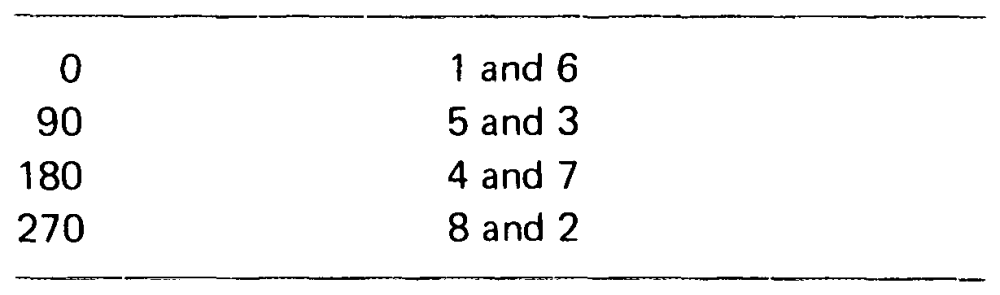
Marking number: Piston at TDC
9 Screw connecting hose into spark plug bore and attach to connecting hose of tester.
Crankshaft should not rotate.
10 Read pressure Joss on cylinder leak tester.
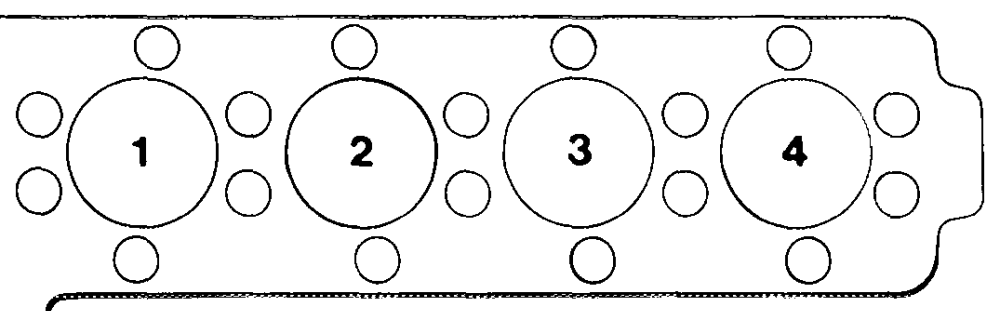
11. Check by listening whether pressure escapes via intake pipe, exhaust, engine breather, spark plug bore of adjacent cylinder or coolant filler hole.
12 Check all cylinders in ignition sequence.
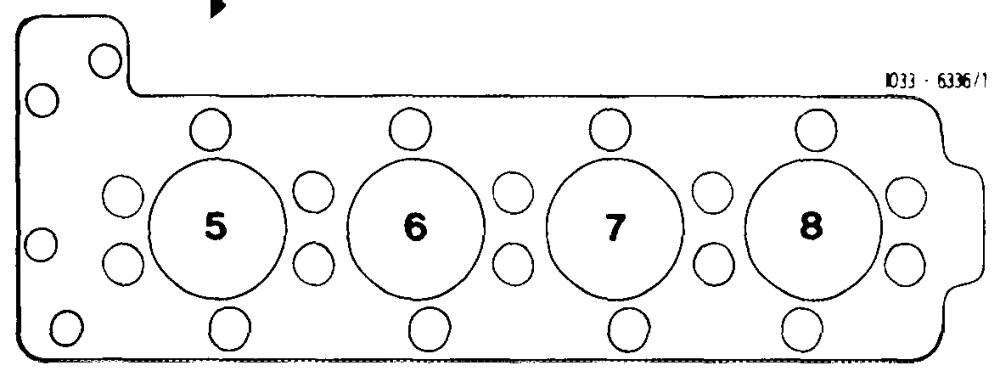
Note: It is possible that on individual pistons the piston ring gaps are directly one above the other, so a that the test results will be misrepresented. O 515486372 When in doubt, continue running vehicle and check cylinder for leaks once again later on.