Operation
WIS 54-500
To engage the cruise-control system the vehicle speed should amont to approx. 40 km/h. By actuating the switch in direction “ON”, with the ignition switched on, the system is activated. If the vehicle is running at the desired speed, brief actuation of the switch in the direction of “SET” will keep this speed constant until the driver engages a different speed or steps down on brake pedal. To increase the engaged speed the driver can either press the switch fully in the direction of ““ACCEL” up to the new desired speed or step down on accelerator pedal followed by once again actuating the switch in the direction of “SET”.
The direction of “SET” and ‘““ACCEL” is the same.
If the engaged speed is increased by acceleration, for example, while overtaking, the vehicle will automatically return to the previously set speed when the accelerator pedal is released. Actuation of brake pedal will cancel the engaged speed but the system remains in a condition ready for operation until the ignition is switched off. For safety reasons, the selected speed is cancelled when the engine is overloaded while driving uphill or when the vehicle happens to be skidding or swerving, as well as in the event of a defective brake light switch reducing the selected speed by more than approx. 20 km/h.
Attention! While driving under cruise-control, do not engage selector lever ‘‘N’’ of automatic transmission, since this will cause the engine to speed up.
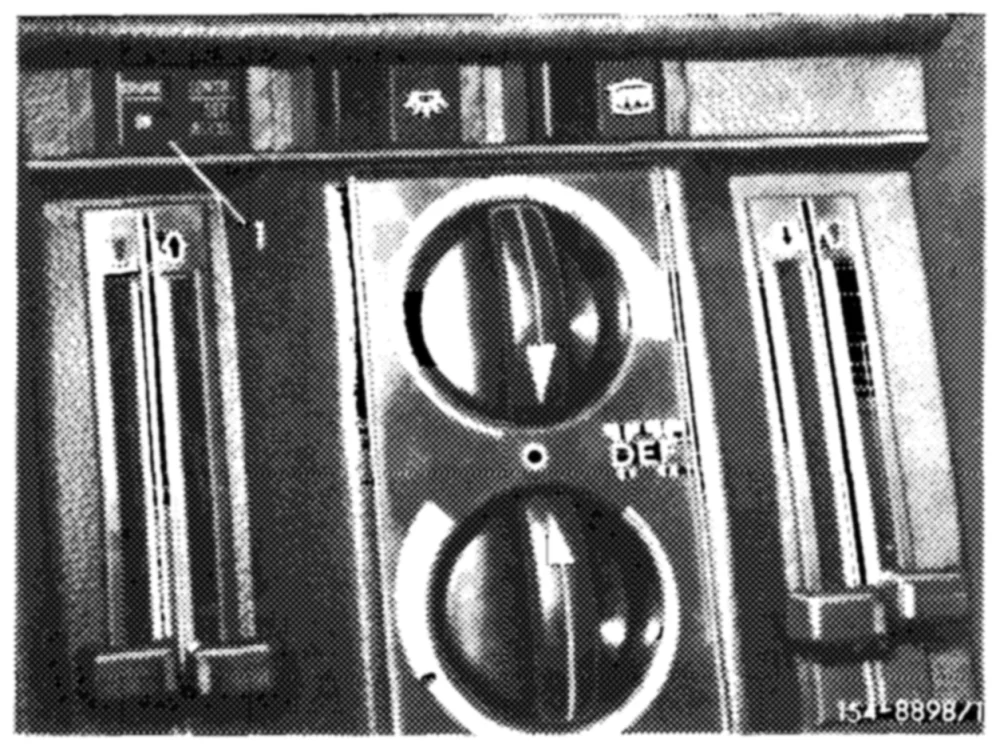
Essentially, the cruise-control system comprises four design elements: the switch, the sensor, the control unit and the actuator.
Switches
Switch (1) on model 107 (1st version) is a pull-push switch and on models 107 (2nd version), 114 and 116 a toggle switch (refer to illustration). When released, both switches will automatically return to their starting position. Three different positions are available.
Position “ON” system activated (with ignition switched on). Position “SET” speed is selected. Position “ACCEL” selected speed is increased.
Control unit
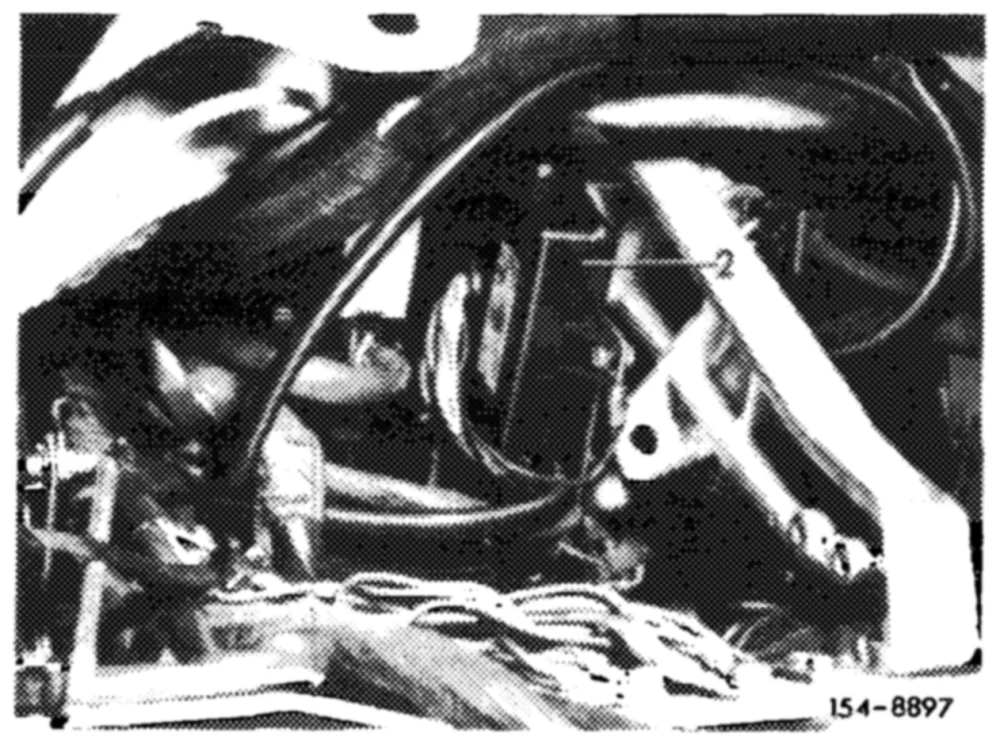
The control unit (2) is connected to the tachometer shaft by means of the sensor (3) and is constantly comparing the actual speed and the selected speed. (n the event of a deviation from the selected speed, the control unit (2) will send pertinent control signals to the vacuum-operated actuator (4) until the actual speed corresponds again to the selected speed.
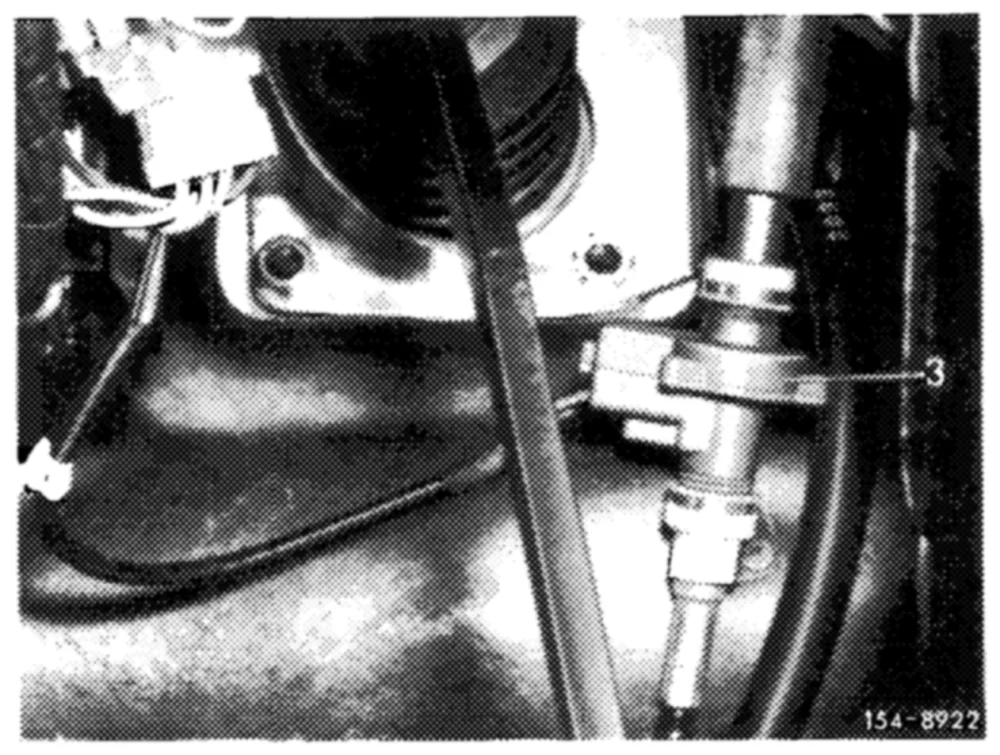
Sensor
The sensor (3) is driven by the tachometer shaft and transmits the actual speed to the control unit (2) by means of pertinent signals.
Actuator
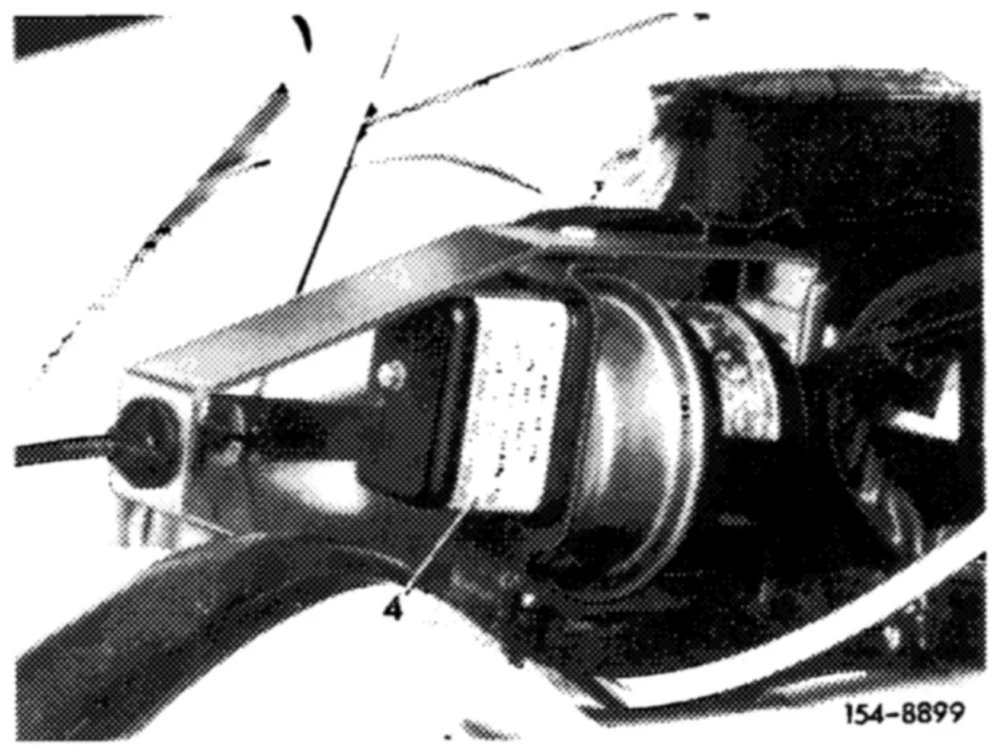
The vacuum-operated actuator (4) receives the control signals from the control unit (2) and actuates the regulating linkage by means of cable controls.