Evaluating cylinder bores
WIS 01-020
Conventional tool
e.g. made by Messrs. Karl Storz GmbH, D—7200 Tuttlingen Motoskop TW (cold light) Cylinder illuminating device with objective sensors 103 26 CW (570 mm) and 103 26 CT (210 mm)
Note
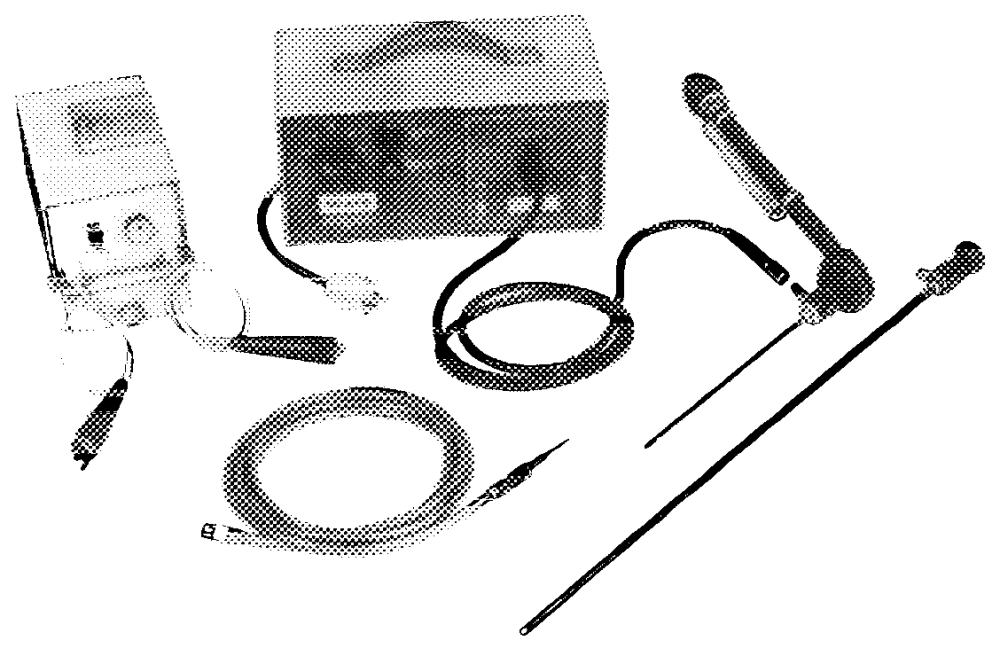
Visual control can be effected with the cylinder head mounted by means of a cylinder illuminating device.
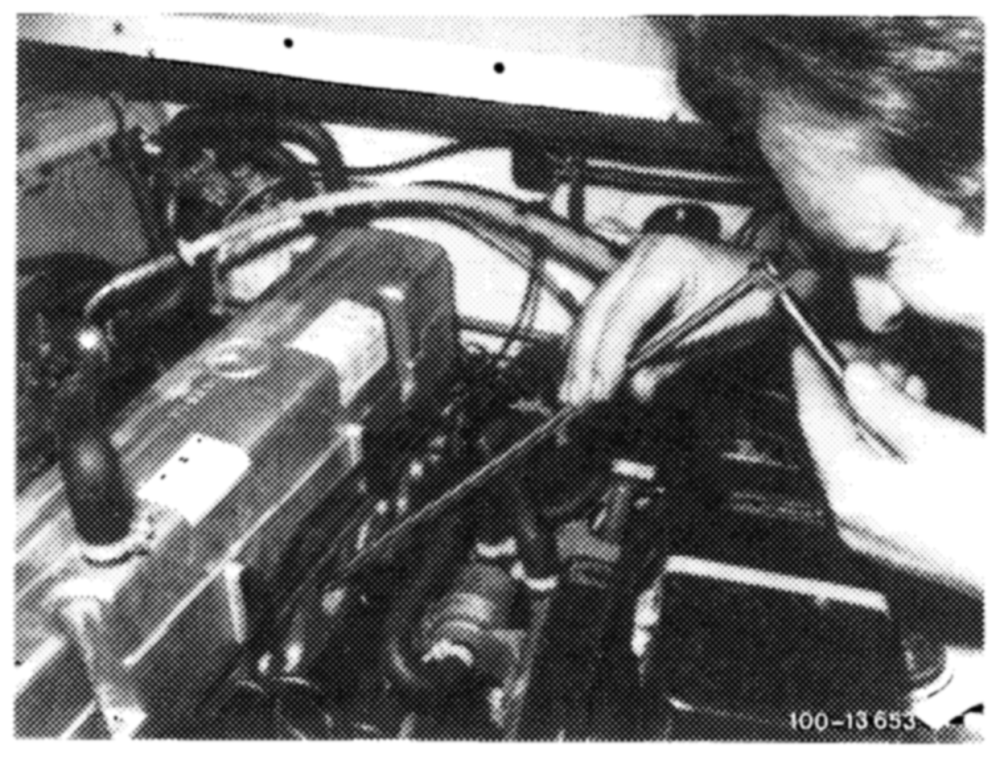
When evaluating groovy or striky cylinder running surfaces, it is often difficult for the workshop to decide whether already a serious damage has occurred making the removal and/or repair of the engine necessary or whether the markings are insignificant. The following instructions shall be a means to make an expert and appropriate decision.
\lustrated on the engine 123.920
To begin with, a distinction should be made in evaluating markings on the cylinder linings between “optical streaks” and “’seizing marks’’. ‘“‘Optical streaks” in most cases are streaks up to 3 mm wide, caused by the cylinder gap, but still showing honing traces; with ‘‘seizing marks’’, however, no honing traces can be observed any more.
With “streaks at the piston land end” (in direction of the piston), the underlying cause cannot be skirt streaks or seizing since there are no points of contact between piston skirt and cylinder running surface.