016 asoo.00-x-1000z Special tools 30.6.99
WIS 00-Special Tools
aie # 016 AS00.00-X-1000Z 1
| 016 asoo.00-x-1000z | Special tools | 30.6.99 | ||
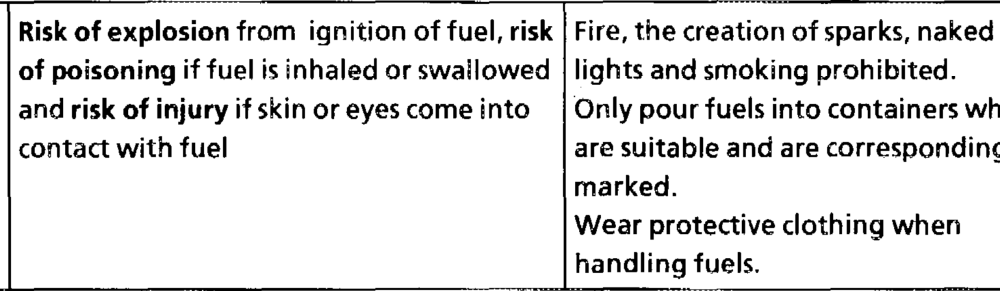
| AS47.00-Z-0001-01A | Risk of explosion from ignition of fuel, risk of poisoning if fuel is inhaled or swallowed and risk of injury if skin or eyes comeinto contact with fuel | Fire, the creation of sparks, naked lights and smoking prohibited. Only pour fuels into containers which are suitable and are correspondingly marked. Wear protective clothing when handling fuels. | P16 | |
| AS15.10–2-0001-01A | Hazard from contact with parts conducting high voltages | Do not touch parts which conduct high voltages. Persons who have been fitted with electronic implants (e.g. heart pacemakers) must not carry out any work on the ignition system. | A17 | |
wae
AN Danger! P16 AS47.00–2-0001-01A
which
Potential dangers
Risk of explosion, poisoning and injury Fuels are highly flammable and are poisonous if swallowed. Fuel – Always put drained fuel into containers which are suitable and can cause damage to the skin. Contact with gasoline fuel, for can be properly closed off. – Immediately remove any fuel which has been spilt. example, removes the skin’s natural oils. Fuel vapors are explosive and invisible, and spread out along the floor. They are poisonous
Working on the vehicle using a naked flame
if inhaled and can cause unconsciousness in high concentrations. (e.g. when welding etc.). Protective measures/rules for handling fuels – Before carrying out such work, remove the relevant parts of the fuel system and seal off open fuel lines with plugs. – Observe local national safety regulations. – Fire, the creation of sparks, naked lights and smoking First aid measures forbidden. @ Wash any fuel from skin using soap and water. – Make sure that the work area is sufficiently weli ventilated. @ Change out of clothing on which fuel has been spilt as soon as – Never drain or add fuels over workshop pits. possible. e If fuel is splashed into the eyes, rinse out the eyes immediately with water; consult a doctor if appropriate.
<< # 016 AS00.00-X-1000Z 3
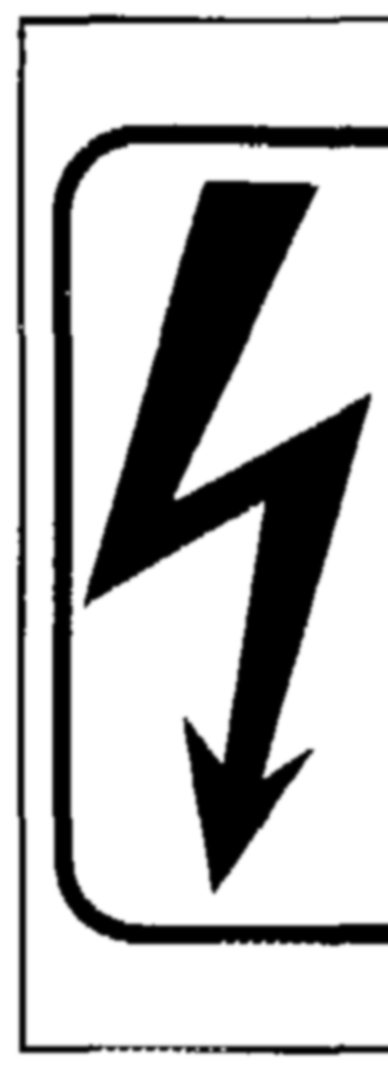
A17 AS15.10–2-0001-01A Hazard from contact with parts conducting Do not touch parts which conduct Av Danger! high voltages high voltages. Persons who have been fitted with electronic implants (e.g. heart pacemakers) must not carry out
Hazard from high voltage of ignition system ~ Electronic ignition systems operate within a hazardous power range both on the low voltage
. . _ . Gefahrliche Hochspannung!
side (primary circuit) as well as on the high voltage side (secondary circuit). Contact with such Vorsicht bal Arbelten an der components can result in burns, heart flutter or cardiac arrest. Zindanlage
Danger! High voltage
Observe caution when working
on the Ignition system
Danger! Haute tension
Attention lors de travaux au
systéme d’allumage Jd
P15.11-0001–01
Rules of conduct/precautionary measures
– Persons with heart pacemakers must not carry out any work on – Wear safety shoes (with rubber soles). the ignition system. – Unplug crankshaft position sensor connector at the control – Switch off ignition before carrying out any work on the module or at position sensor. ignition system. – Donotinstall any electric conducting, uninsulated adapters or – When working on the engine when it is running or rotating at sensors into the ignition cable. starter speed, do not touch or remove any components of the ignition system.