Types S, SS, SSK, SSKL
Production: 1926 - 1934
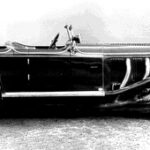
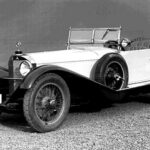
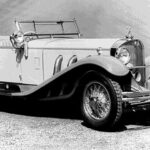
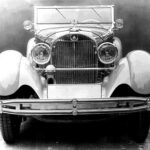
Types
| Type | Model | Production | Number produced |
|---|---|---|---|
| S 26/120/180 hp | 1926 - 1930 | 146 | |
| SS 27/140/200 hp, since 1930: SS 27/160/200 hp | W 06 | 1928 - 1932 | altogether 111 (all engine versions) |
| SS 27/170/225 hp | W 06 | 1928 - 1934 | altogether 111 (alle Mororvarianten) |
| SSK 27/140/200 hp, since 1929: SSK 27/160/200 hp | W 06 II | 1928 - 1932 | altogether 33 (type SSK and SSKL, all engine versions) |
| SSK 27/170/225 hp | W 06 III | 1928 - 1930 | altogether 33 (type SSK and SSKL, all engine versions) |
| SSK 27/180/250 hp | WS 06 | 1929 - 1930 | altogether 33 (type SSK and SSKL, all engine versions) |
| SSKL 27/240/300 hp | W 06 RS | 1929 - 1932 | altogether 33 (type SSK and SSKL, all engine versions) |
History
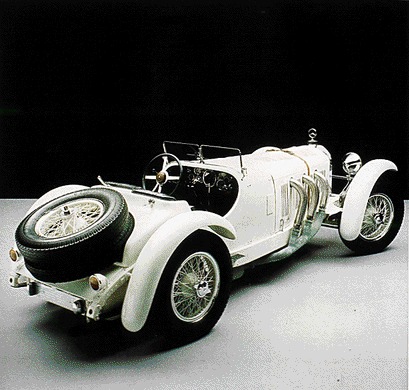
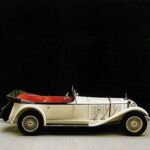
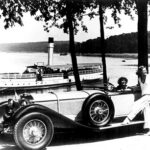
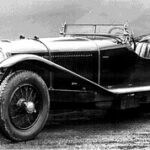
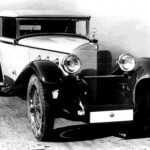
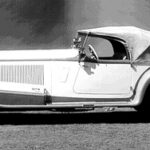
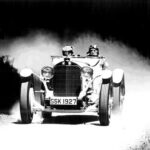
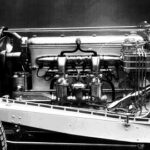
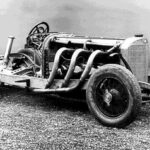
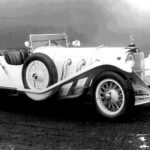
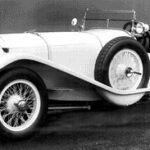
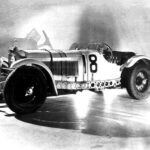
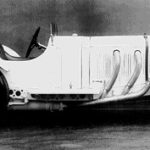
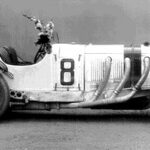
Another model-series which was created in 1926 became world famous: the sport car types S (for "Sport"=sports), SS (for "Super-Sport"=super-sports), SSK (for "Super-Sport-Kurz"=super sports short) and SSKL (for "Super-Sport-Kurz-Leicht"= super-sports-short-light). In terms of design they were based on the shortened chassis of the type 630, but were different from this because of a drop-bed frame facilitating a lower centre of gravity and, in so doing, a better roadholding. Even stronger engines made of light metal with cylinder barrels and a detachable cylinder head were used.They were equipped with a two-bladed blower that, in case of need, supplied the double carburetor with additional air at three times the engine's speed range and enabled a performance of up to 300 hp. This is the reason why these vehicles were often used in racing. On a type S Rudolf Caracciola convincingly won the opening race on the Nürburgring in June 1927. This was but the beginning of a whole series of racing successes of this type.. The absolute sports version of this series represented the type SSKL constructed only a few times: Its chassis was lightened through additional bores.