Typy 8/38 KM i Stuttgart 200 / 260
Produkcja: 1926 - 1936
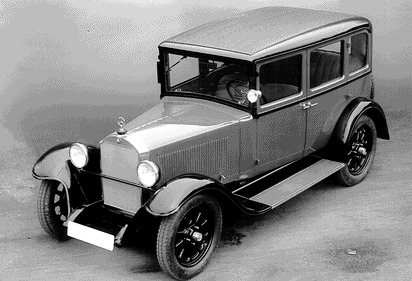
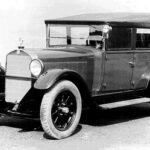
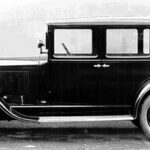
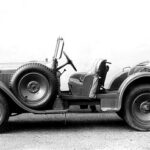
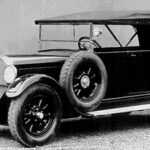
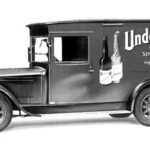
Typy
| Typ | Oznaczenie | Lata produkcji | Wyprodukowano |
|---|---|---|---|
| 8/38 KM | W 02 | 1926 - 1928 | 9.105 |
| L 3/4 samochód dostawczy | W 02 | 1927 - 1928 | 105 |
| 8/38 KM typ Stuttgart 200 | W 02 | 1928 - 1933 | 6.452 |
| 10/50 KM typ Stuttgart 260 | W 11 | 1929 - 1933 | 6.757 |
| 10/50 KM typ Stuttgart 260 | W 11 L | 1933 | 50 |
| 10/50 KM typ Stuttgart 260 terenowy | W 11 III | 1929 - 1935 | 1.507 |
| L 1000 Express | W 37 | 1929 - 1936 | 2.376 |
Historia
Historia tej serii nie jest jeszcze przetłumaczona; poniżej oryginał angielski.
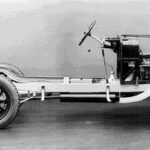
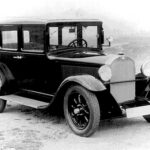
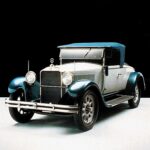
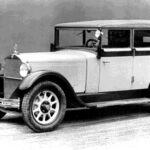
Parallel to the big compressor-vehicles a smaller model, the type 8/38 hp, was produced. In 1926, when the Daimler-Motoren-Gesellschaft and Benz & Cie merged to become the Daimler-Benz AG, the two-litre vehicle was presented on the Berlin Automobile Exhibition. Dr. Ing. E.h. Hans Nibel, successor of Ferdinand Porsche as Technical Director since the end of 1928, modernized the type 8/38 hp, improved it considerably and equipped it with a 2.6-litre engine (10/50 hp) alternatively. The low-cost middle-class vehicle was very popular with the customers due to its assets concerning economy and quality and was sold over 13,000 times as the "type Stuttgart" as it was called since autumn 1928.